

There is a particular kind of joy that comes with a brand new set of keys. The moment you step into an empty space that is entirely, completely yours — and then the equally the kind of quandary that follows... trying to work out where on earth to begin.
What do you actually need first? What can wait? And how do you make sure that as each room comes together, it feels like a intentionally designed home rather furniture dropped into four walls?
Here at Photogenic Home we have put together this guide to answer to all of those questions. We've broken it down room by room, in genuine order of priority — so you know exactly what to focus on in the first week, what to build towards in the first month, and where to spend your energy (and your budget) when you're ready to make things beautiful.
Because a new home isn't just about getting the essentials in place. It's about building a space that reflects who you are from the very first day you walk through the door.
The Priority Order: Where to Start
Before we go room by room, it's worth stepping back to understand how to sequence your spending. Most people try to furnish every room at once, spreading their budget thin and ending up with nothing that feels quite right. The smarter approach is to go deep rather than wide — get the rooms you use every day feeling genuinely beautiful before you move on to the rest.
Here is the order we'd recommend, and why:
| Priority | Room / Area | Why It Comes First |
|---|---|---|
| Week 1 | Kitchen, bedroom | The kitchen's practical essentials (crockery, cookware, cutlery) are genuinely day-one needs. The bedroom follows — you need to sleep well from night one. |
| Week 1–2 | Living room & Hallway | Get the sofa and key lighting in place so you have a comfortable space to spend your evenings. The full styling layer — accent chair, side tables, art and accessories — can follow once you're settled. The hallway is quick to do and sets the tone for everything that follows. |
| Month 1 | Dining room / Dining area | Eating at a proper table changes how a home feels to live in. Once the essentials are covered, this is the next room to invest in fully. |
| Month 1–2 | Home office / Study | If you work from home even occasionally, a functional and beautiful workspace pays dividends in both mood and productivity. |
| Month 2+ | Finishing touches throughout | Art, mirrors, accessories, lighting — the layer that pulls everything together and makes it feel genuinely yours. Build this slowly and deliberately for the best results. |
The golden rule: Measure every room before you buy a single piece of furniture. A sofa that's 10cm too long, a dining table that won't clear the kitchen door — these are the decisions that cost time, money and sanity. Tape on the floor is your best friend in the first week.
The Kitchen
In most modern homes — particularly new builds and open-plan spaces — the kitchen isn't just a room for cooking. It's the hub of the entire home. It's where the day starts, where people naturally gather, where meals are made and eaten, where the laptop opens and the morning coffee happens. For the 21–40 generation especially, the kitchen-living-dining space is where life actually takes place.
That means it has two distinct layers of need: the fully practical (you need to be able to cook, eat and function from day one) and the aesthetic (because a space you spend this much time in deserves to feel genuinely beautiful). Get both right, in that order, and the kitchen becomes the room that holds the whole home together.

Week one — you need these before anything else
-
Crockery — plates, bowls, mugs
A complete set for the number of people in the house, plus a couple extra for guests. This is genuinely day-one essential — everything else can wait, but you need to eat. Choose a style you love, in a neutral or tonal palette that will work however the kitchen evolves. -
Cutlery — a full set including serving pieces
Again, day one. A proper cutlery set — including serving spoons and a carving knife — covers every mealtime situation from a Tuesday night dinner to a Sunday roast with guests. Don't buy the cheapest option; you'll use these every day for years. -
Glasses — everyday and wine
A set of robust everyday glasses and a set of wine glasses covers nearly every occasion. If you only buy one set to start, a good all-purpose wine glass works for water and juice too. -
Pots and pans — a core set
You don't need every size, but you do need: a large saucepan, a medium saucepan, a frying pan and a roasting tin. These four pieces cover the vast majority of everything you'll ever cook. Add a casserole dish once you're settled. -
Utensils — the genuine essentials
Wooden spoon, spatula, ladle, tongs, a good cook's knife, a bread knife, a chopping board and a colander. These are the tools you reach for every single day — buy quality here and they'll last a decade. -
Kettle and toaster
Worth choosing thoughtfully rather than quickly — these live permanently on the counter and are two of the most-seen objects in the kitchen. A matching set in a finish that complements your kitchen's palette (matte black, stainless, cream or a warm metallic) gives the counter a pulled-together look from the start.
Furniture — especially important in open-plan spaces
-
Kitchen table and chairs (or dining table if open-plan)
In an open-plan kitchen-diner, the dining table is as much a piece of living room furniture as a kitchen one — it anchors the space and is the centrepiece of the room. Choose it with the same care and intention you would a sofa. A round table works well in tighter spaces; a rectangular one suits longer, more generous rooms. -
Bar stools for an island or breakfast bar
The breakfast bar is where people perch for coffee, work from their laptop, chat while dinner is being made and eat casual meals. Comfortable, well-designed stools make this the most-used spot in the house. Choose a seat height that works for your counter (standard worktop: 65cm stool; island: 75cm stool). -
Storage — canisters, jars and organisers
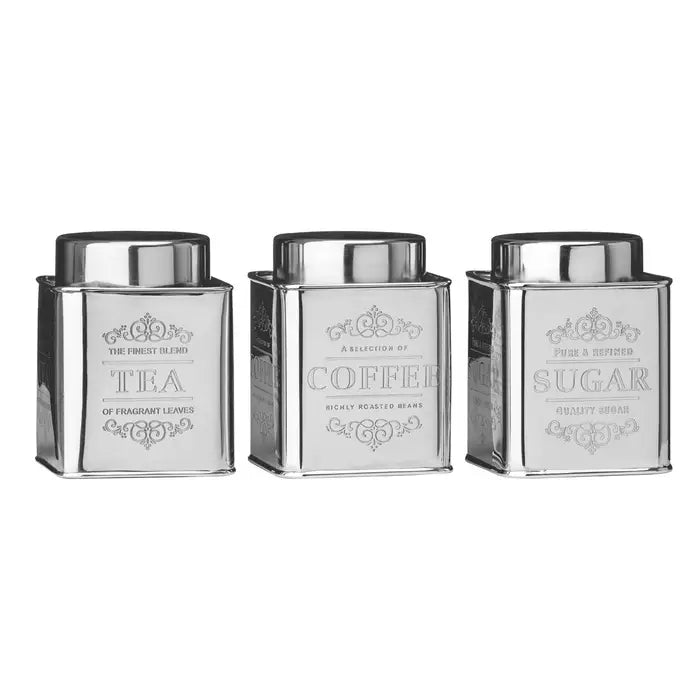
A matching set of kitchen canisters on the counter (for coffee, tea, sugar, pasta) does double duty: it keeps essentials accessible and looks considered rather than cluttered. Decant where you can.
The styling layer — making it feel like yours
-
A statement fruit bowl or basket
One of the most permanently visible objects in the kitchen — on the counter or the table, it's in view at every meal. Treat it as a considered design choice rather than a purely practical one, and it becomes part of the room's character. - A vase for the windowsill or island with fresh stems or faux dried botanicals
The counter pieces that make everything look intentional
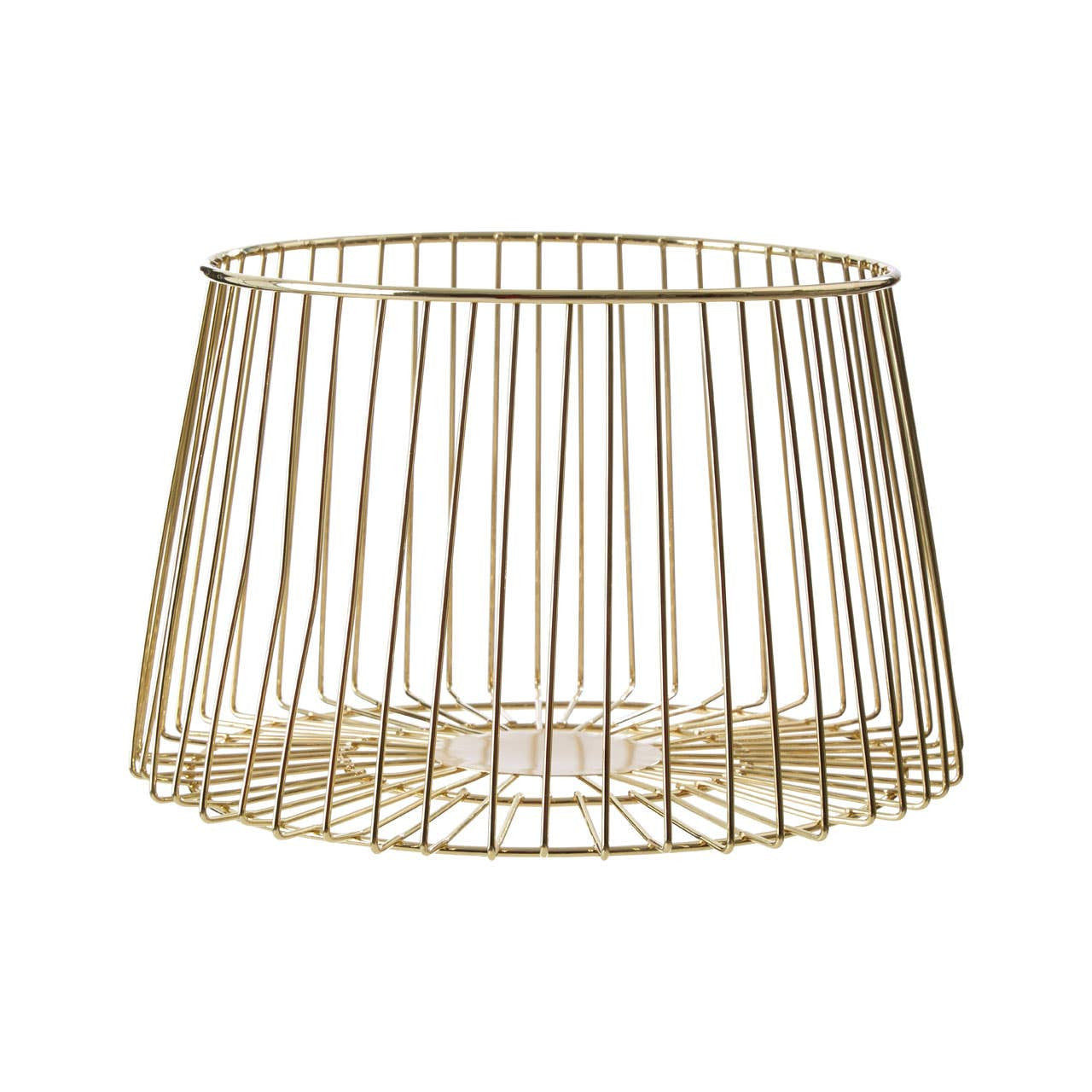
Once the functional layer is in place, the objects that live permanently on your surfaces become the room's visual identity. The fruit basket is seen every morning with breakfast or the canisters when you make coffee. It is one of the most consistently viewed areas in the entire home. It deserves to be genuinely truly crafted and beautiful.
Our picks
 .
. 
Crafted from delicate metal wires in a refined tapered silhouette, the Vertex is the kind of piece that makes visitors stop and ask where it's from. Filled with fruit it creates a warm, abundant still life; left empty on a sideboard or kitchen island it works as a sculptural object in its own right. The matte gold finish pairs beautifully with stone worktops, natural wood and the warm neutral tones that define the most considered modern kitchens.
The open-plan styling principle: In a kitchen-living-dining space, look for a consistent material thread that ties all three zones together. A gold finish on the fruit basket that echoes a pendant light above the dining table; a vase on the kitchen windowsill that mirrors a larger one on the sideboard — these quiet continuities make the whole space feel designed, intentional and curated rather than just a free space to put something.
The Bedroom
The bedroom is the room most people rush — and the one they most regret rushing. A good night's sleep in a beautiful, restful space is worth prioritising above almost everything else in the home. Get the foundation right from the beginning.

Furniture — the non-negotiables
-
Bed frame
Invest here. The bed frame is the architectural centrepiece of the room — everything else is arranged around it. An upholstered frame in a warm neutral adds softness and warmth; a wooden frame adds organic texture. Both are timeless. -
Mattress
The single most important purchase for your health and wellbeing in the home. Don't compromise here — a great mattress on a modest bed frame is infinitely better than the reverse. -
Bedside tables
Matching bedside tables give the room symmetry. A lamp on each creates intimate, warm lighting and practicality for evenings. - Chest of drawers or vanity
-
Bedside lamps (×2)
Move away from ceiling-only lighting in the bedroom as quickly as possible. Bedside lamps with the correct bulbs create the most restful atmosphere for sleeping. Shop our latest collection of table lamps.
The layer that makes it feel like a sanctuary
- Full-length or wall mirror
- A piece of art above the bed or on the facing wall
- Candle or diffuser for scent — the most underrated element of a restful bedroom
- A small sculptural object or vase on the dresser
On the artwork: Choose something that feels calming and personal — a piece you'll want to look at every morning when you wake up. Abstract forms and botanical prints work particularly well in bedrooms. Scale matters: aim for art that is at least two thirds the width of the headboard.
The Living Room
The living room is where your evenings happen, where guests are entertained and where the home has its most social, relaxed energy. You don't need it complete from day one — but you do need the foundations in place within the first couple of weeks so you have somewhere comfortable to unwind. Think of it in two stages: get the sofa and lighting sorted first, then build the rest of the room around them as you settle in.

Week 1–2 — get these in place first
-
Sofa
The single most important purchase in the room. Choose for comfort first, then for scale — a sofa that's too small for the room will always look lost. Neutrals in linen, velvet or boucle give you the most flexibility as the room evolves. -
Floor lamp or table lamp
Overhead lighting alone makes a room feel clinical. A floor lamp in a corner creates depth and warmth — one of the highest-impact, lowest-cost moves you can make in any living room. -
Coffee table or side tables
Practically essential from day one — somewhere to put a drink, a book, a candle. Side tables offer more flexibility than a single coffee table, particularly in smaller rooms.
Month 1 — complete the room properly
-
Accent chair
A well-chosen accent chair does the work of three accessories at once — it adds texture or form, creates a second seating moment, and completes the room's composition. Choose one that offers something the sofa doesn't: a different silhouette, material or leg finish. -
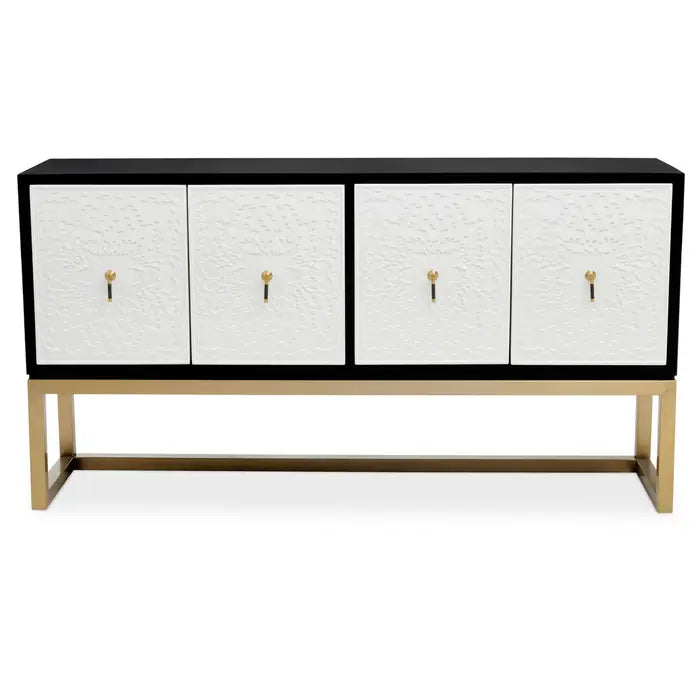
Storage unit or sideboard
Keeps everyday clutter out of sight and provides a beautiful surface for styling. A sideboard along one wall immediately gives the room a sense of architecture and intention. -
Statement pendant or ceiling light
Worth replacing the builder-grade fitting as early as possible. Lighting is the room's jewellery — it changes everything. - Wall mirror
- Wall art or a gallery grouping
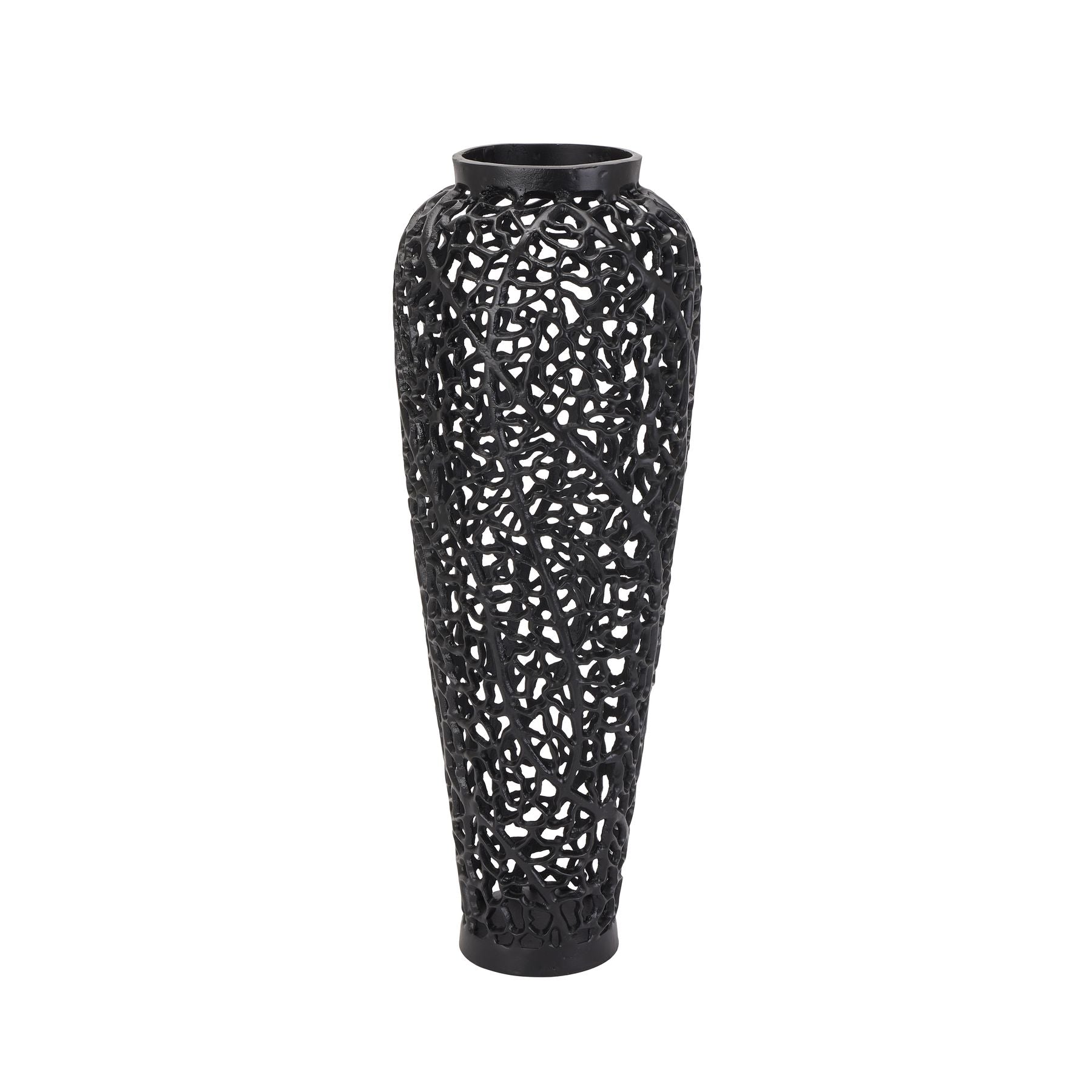
- Vase or sculptural object for the sideboard or mantle
- A rug to anchor the seating area
- Coffee tablescaping - Books, candles, florals
Shop our full collection of home decor and accessories
Our Picks


Valensole Cream Fabric Sofa Astratto Canvas Textured Plaster Wall Art
 .
. 
The pieces worth choosing beautifully
The accent chair and the side tables are where the living room gains its personality. These are not purely functional purchases — they are the items visitors notice, the things that make the room feel like yours.
Stylist's note: A large wall mirror in the living room does three things at once — it adds architectural interest, amplifies natural light, and makes the room feel larger. Position it opposite or adjacent to a window for the best effect, and choose a frame with texture or depth for maximum impact.
The Hallway
The hallway is the part of the home that everyone sees — first impressions, every single time. It is also one of the most straightforward rooms to get right, because the furniture it needs is limited. A few well-chosen pieces here make the whole house feel more considered from the moment you open the door.

The hallway essentials
-
Console table
The foundation of a beautiful hallway. Gives you a surface for keys, post and accessories; gives the hallway a sense of furniture and intention. Choose one that is slender enough not to crowd the space — hallways are typically narrow, and a console needs to leave at least 90cm of clear corridor. -
Large wall mirror or art
The single highest-impact purchase for any hallway. A large mirror above the console makes a narrow hallway feel twice as wide, doubles the light, and adds a beautiful focal point. Position it at head height so it's functional as well as decorative. - Coat hooks or storage stand
The accessories that complete it
- A small sculpture or decorative object on the console
- A vase with a stems or dried grasses
- A candle — scent in the hallway is the most welcoming thing you can do for guests
Prato Gold Finish Jack Sculpture
Handcrafted and cast in aluminium, the Prato sculpture is the kind of object that tells visitors something about you the moment they see it. Placed on a console table, it turns a purely functional surface into a considered composition. The irregular, geometric form rewards a second look.
The Dining Room
Whether you have a dedicated dining room or a corner of the kitchen that doubles as one, a proper dining table and chairs is one of the purchases that most dramatically changes how a home feels to live in. Eating at a table — rather than the sofa — does something for the quality of daily life that is difficult to overstate.

The essentials
-
Dining table
Choose for the room you have, not the dinner parties you plan to host. An extendable table gives you flexibility; a fixed table gives you elegance. Either way, measure the room carefully — you need at least 90cm of clear space around every side for chairs to pull out comfortably. -
Dining chairs
Don't feel obligated to match the table manufacturer's own chairs. Mixing a solid wood table with upholstered chairs, or a modern table with a more traditional chair, often produces more interesting and characterful results. -
Pendant light above the table
A pendant light hung centrally above the dining table is one of the most transformative things you can do for any dining space. Aim to hang it 75–90cm above the table surface. - Sideboard or storage unit
- Side board styling pieces- sculptural objects, vases, floral stems
The tablescape — where everyday becomes an occasion
- A centrepiece object — vase, sculpture or fruit bowl
- Candle holders or a low centrepiece for evening dining
- Placemats in a natural material
-
Formal dinner set, cutlery and glassware
The centrepiece that earns its place every day
The dining table is a surface that people look at, gather around and photograph more than any other in the home. A beautiful centrepiece — something that changes with seasons or mood — makes the table feel alive rather than merely functional.
Estrella Large Fluted Vase
Handcrafted from aluminium with a gold finish and beautiful fluted detailing. Positioned at one end of a long dining table or on a sideboard behind, this vase brings the kind of sculptural presence that makes a dining space feel truly dressed. Use it with a single stem of dried botanicals or leave it empty — it works beautifully either way.
The Home Office
Even if you only work from home a day or two a week, a dedicated workspace that is both functional and beautiful makes a meaningful difference to how you feel about your work — and about your home. A corner of a bedroom or spare room, given the right furniture and a few beautiful objects, can become a space you genuinely want to spend time in.
The workspace essentials
-
Desk
Choose one that fits the room and the way you work. A compact writing desk works beautifully in a bedroom corner; a larger desk with storage suits a dedicated office. A desk that you find aesthetically pleasing will make you sit down at it more willingly — this matters more than you might expect. - Office chair — comfort is non-negotiable here
- Task lighting — a good desk lamp is essential
- Shelving or storage for books, files and equipment
The beautiful functional layer
- A small sculptural object or decorative piece on the desk
- Art or a mirror on the facing wall — something worth looking up at
- A small plant or botanicals — proven to improve focus and wellbeing
Milton Metal Sculpture on Acrylic Stand
Sleek metal rods extending from a central sphere in a warm gold finish, mounted on a transparent acrylic plinth that appears to float. On a desk or a shelf, the Milton adds a quietly sophisticated focal point — the kind of object that makes a workspace feel like it belongs to someone with a real eye for things.
The Finishing Touches: The Layer That Makes It Yours
Once the furniture is in place, there is a final layer of work that most people underestimate — and that makes the single biggest difference to how a home actually feels. Accessories, art, mirrors and objects are not decorating luxuries. They are the things that turn a house that looks furnished into a home that feels inhabited.
Think of it this way: a beautifully furnished room without accessories looks like a showroom. With the right objects, the same room looks like it belongs to someone with a genuine, developed sensibility. The distinction is everything.

Art and mirrors — the walls are your canvas
Bare walls are the most common sign of a home that hasn't quite finished becoming itself, but You don't need to fill every wall, in fact you shouldn't. The main walls in your key rooms benefit enormously from considered art, a gallery grouping or a statement mirror. These are also among the most personal purchases in a home: choose what you genuinely respond to, not what you think you should have.
Nason Gold Disc Design Wall Art
A slim rectangular frame with a textured gold finish and crisp white mount. Beautiful solo above a fireplace or console, or grouped with two or three other pieces of a similar quiet character for a gallery wall that feels curated and deeply intentional.
Objects with presence
The best accessories are the ones that earn their place not just aesthetically but because they genuinely interest you — the ones you reach for, turn over in your hands, or stop to look at as you pass. Build your collection slowly and deliberately, and every piece will mean something.
The rule of three: When styling a surface — a sideboard, a console, a shelf — group objects in threes at different heights. One tall piece (a vase), one mid-height piece (a sculpture), one low piece (a candle or small object). Vary the texture as well as the height, and leave space between them. This is the formula professional stylists use, every time.
Shop the New-Home Edit
Every piece featured in this guide — available now at Photogenic Home
Yasmeen Beige Velvet Armchair
Jodie Marble & Gold Side Tables (Set of 2)
Akola Gold Wall Mirror
Nason Gold Disc Design Wall Art
Estrella Large Fluted Vase
Vertex Deco Matte Gold Fruit Basket
Prato Gold Finish Jack Sculpture
Milton Metal Sculpture on Acrylic Stand
View All New Home Essentials
Frequently Asked Questions
The questions people ask most when they're furnishing a new home for the first time.
What should I buy first when I move into a new home?
Start with the kitchen — crockery, cutlery, glasses, pots and pans, and utensils are genuinely day-one needs. The bedroom also (you need to sleep somewhere from night one), followed by the hallway, which is quick to do and sets the tone for the whole home from the moment you open the door. Get the sofa and basic lighting sorted in the living room in the first week or two. The dining room, home office and finishing touches can build out from there over the first month or two.
How much should I budget for furnishing a new home?
The most useful approach is to allocate budget by room, starting with the highest-priority spaces. Rather than buying everything at a lower price point, consider buying fewer, better pieces — a sofa, a bed frame and a dining table that you genuinely love will serve you for a decade or more. Accessories, art and finishing touches can be built up gradually over time, and often benefit from a more considered, slow approach.
What are the most common mistakes people make when furnishing a new home?
A common one is not measuring before purchasing: furniture that doesn't fit the space is the most costly mistake of all. And the third is neglecting lighting — swapping builder-grade ceiling lights for something beautiful, and adding floor or table lamps for warmth and atmosphere, is one of the highest-impact changes you can make in any room.
How do I make a new home feel warm and personal quickly?
Accessories and objects are the fastest route to a home that feels lived-in and personal. Art on the walls, a sculptural vase, a beautiful mirror, candles on a mantle — these are the things that tell visitors who you are and what you value. Lighting is equally important: add lamps to create pools of warm light in corners, and the room will feel entirely different by evening. Scent is often overlooked — a candle or diffuser in the hallway is the most welcoming thing you can do for anyone coming through your door.
What is the best order to furnish rooms in a new house?
The kitchen comes first — you need to be able to cook and eat from day one, so crockery, cookware and utensils are the genuine starting point. The bedroom should run in parallel (you must have somewhere to sleep). Get the living room's sofa and lighting in place within the first week or two so you have somewhere to relax in the evenings, then the hallway (quick to do and high impact). The dining room and home office can follow in month one, and the finishing touches — art, mirrors, accessories — are best layered in gradually once you have a clearer sense of how you're living in each space.
What accessories make a new home look styled rather than just furnished?
The key is choosing objects with genuine visual interest — sculptural pieces, textured vases, mirrors with character, art that you respond to personally. Group objects on surfaces in threes at different heights for a professional styling effect. Vary the materials: a gold-finish sculpture next to a ceramic vase next to a candle creates texture and richness that matching pieces never achieve. And always leave breathing space — the empty space around objects is as important as the objects themselves.


